In PCB production, thermal design is a very important part, which will directly affect the quality and performance of PCB circuit boards. The purpose of thermal design is to take appropriate measures and methods to reduce the temperature of components and PCB board, so that the system can work normally at an appropriate temperature. So, what are the methods for thermal design of PCB circuit boards?
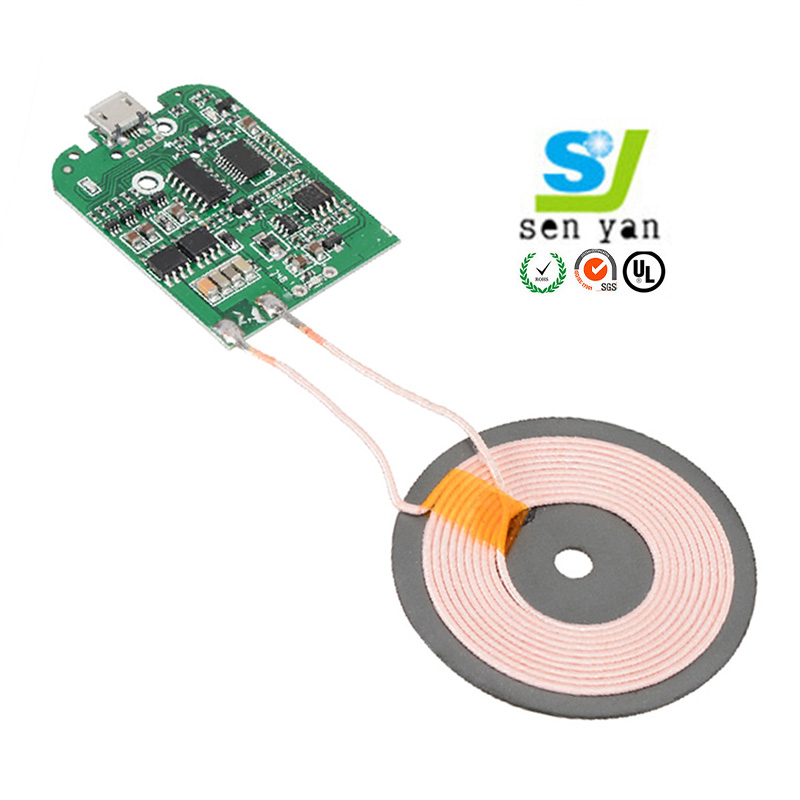
1. Dissipate heat through the PCB itself.
The best way to solve the heat dissipation is to improve the heat dissipation capability of the PCB itself that is in direct contact with the heating element, and conduct or dissipate it through the PCB board.
2. High-heating components plus radiators and heat-conducting plates.
When there are a few devices in the PCB with less than 3 heating stars, a heat sink or heat pipe can be added to the heating device to enhance the heat dissipation effect. When there are more than 3 heating components, a large heat dissipation cover (plate) can be used, and the heat dissipation cover is buckled on the surface of the component as a whole, and it contacts each component to dissipate heat.
3. Use reasonable wiring design to realize heat dissipation, increase copper foil remaining rate and increase heat conduction holes are the main means of heat dissipation.
4. When connecting high heat dissipation devices to the substrate, the thermal resistance between them should be reduced as much as possible.
5. In the horizontal direction, the high-power devices are arranged as close as possible to the edge of the printed board to shorten the heat transfer path; in the vertical direction, the high-power devices are arranged as close as possible to the top of the printed board to reduce the influence of these devices on the temperature of other devices. Influence.
6. The heat dissipation of the printed board in the equipment mainly depends on the air flow, so the air flow path should be studied during the design, and the components should be reasonably configured.
7. Devices that are sensitive to temperature are best placed in the lowest temperature area, such as the bottom of the board.
8. The hot spots should be evenly distributed on the PCB board as much as possible to keep the temperature performance of the PCB surface uniform and consistent.